How to use this kit
This page holds your three core workouts plus your bonus expert video, recipes, and wellbeing guides — all in one place, no login or app needed. Bookmark this page or add it to your home screen so it's always one tap away.
Follow the workouts in order: Flow and Stability -> Power in Motion -> Progress with Ease. Move at your own pace, listen to your body, and breathe through every rep.
With love, Rebecca x
Three sessions, in order.
Press play and move with me. Each session builds on the one before.
Your weekly schedule
A gentle, realistic pace that builds strength without pressure. Move at the level your body is ready for — the stronger your foundation, the better everything that follows will feel.
Foundation First
- •Complete Level 1 three times per week
- •Focus on breathing, connection, and movement quality
- •Don't rush through this stage — the stronger your foundation, the better everything that follows will feel
Goal: Feel confident with every movement before progressing.
Build Strength
- •Level 1: 1× per week
- •Level 2: 2× per week
- •You're now building on the foundation you've created while still revisiting Level 1 to reinforce core and pelvic floor connection
Goal: Move with more confidence and control while introducing greater strength demands.
Progress with Ease
- •Level 1: 1× per week (optional recovery/reset workout)
- •Level 2: 1× per week
- •Level 3: 1–2× per week
- •At this stage you're combining everything you've learned — core connection, stability, strength, and movement confidence
Goal: Continue building strength while maintaining the solid foundation you've worked so hard to create.
Expert support.
Professional guidance from a trusted expert to help you feel informed, confident, and supported.
Holistic care for your recovery.
Gentle, mama-tested guides to support your post-birth healing.
1
First 24 Hours Self-Care Guide
A gentle roadmap for the first day after giving birth.
⌄
First 24 Hours Self-Care Guide
A gentle roadmap for the first day after giving birth.
The first 24 hours after giving birth are a transformative time filled with physical recovery, emotional adjustment, and bonding with your newborn. While your focus will naturally shift to your baby, prioritising your self-care is essential for a smoother recovery and overall well-being.
Physical Recovery
Rest as much as possible. Your body has been through a major event, whether vaginal or cesarean birth. Try to nap when your baby sleeps, even in short bursts. If you find it hard to relax, try deep breathing or calming music. Limit visitors or delegate tasks so you can focus on rest.
Hydrate. Labor depletes hydration, especially if you had an epidural or IV fluids. Keep a large water bottle within reach. Consider coconut water, herbal teas (chamomile, ginger), or broths if plain water feels unappealing.
Eat nutrient-rich foods. Light, nutrient-dense meals replenish energy and support healing:
- Oatmeal with berries for fiber and antioxidants
- Bone broth or vegetable soup for hydration and minerals
- Whole-grain toast with avocado for healthy fats
Avoid heavy or greasy foods. If breastfeeding, choose foods rich in calcium, protein, and iron.
Manage pain. Discuss options with your provider — ibuprofen or acetaminophen, or natural options like warm compresses, turmeric/ginger teas, and arnica for swelling. Use a peri bottle with warm water to clean and soothe the perineal area. Ice packs or cooling pads help reduce swelling for stitches or tears.
Postpartum supplies. Postpartum pads or disposable underwear manage lochia (post-birth bleeding) — choose organic or fragrance-free for sensitive skin. For cesarean recovery, keep your incision clean and dry and follow your doctor's wound-care instructions. Consider a belly binder if recommended.
Emotional Well-Being
Acknowledge your feelings. Hormonal changes can bring joy, exhaustion, and anxiety. The "baby blues" are normal in the first few days. Journaling or sharing with a trusted partner helps you process.
Ask for help. Accept support from family, friends, or your partner. Assign tasks — meal prep, diaper changes, tidying. In hospital, don't hesitate to ask nurses or midwives for breastfeeding or pain help.
Bond with your baby. Skin-to-skin contact regulates baby's body temperature, encourages bonding, and stimulates oxytocin (which supports uterine contraction and milk production). Talk, sing, or simply gaze at your baby.
Stay connected. Lean on your support system. If you feel isolated, consider virtual check-ins or parenting groups.
Breastfeeding & Lactation
Latch & positioning. A lactation consultant can guide proper latching to avoid nipple pain. Use a nursing pillow to support your arms and baby.
Colostrum & milk supply. Baby will feed on nutrient-rich colostrum. Feed on demand or every 2–3 hours to stimulate milk production and prevent engorgement.
Nipple care. Apply lanolin, coconut oil, or olive oil to soothe dryness. Use hydrogel pads or cooled compresses between feeds.
Bottle feeding. Sterilize bottles and nipples. Prepare formula per guidelines. Have milk storage bags ready for pumped milk.
Pelvic Floor & Recovery
Pelvic floor rest. Avoid heavy lifting or strenuous activities. Focus on deep belly breathing to release tension.
Gentle movement. If cleared, take short walks to improve circulation and prevent blood clots. Use a donut cushion or lie on your side if sitting is uncomfortable.
Check your bleeding. Monitor lochia — it should start heavy and red, gradually lightening. Contact your provider if you notice large clots, heavy flow, or unusual odor.
Mental Health & Mindfulness
Even 5–10 minutes of quiet reflection or deep breathing helps reset. Let go of expectations and enjoy small moments. If you feel overwhelmed, disconnected, or unusually anxious, talk to a provider about postpartum mood disorders.
You've just done something incredible. Honor your body's needs and celebrate your strength.
2
Valerian Root
A natural remedy guide — calming, sleep, and what to know before you try it.
⌄
Valerian Root
A natural remedy guide — calming, sleep, and what to know before you try it.
What is Valerian Root?
Valerian root comes from the Valeriana officinalis plant, a perennial flowering herb native to Europe and Asia. It has been used for centuries in traditional medicine — particularly as a remedy for anxiety, insomnia, and nervous tension. The root contains active compounds (valerenic acid, isovaleric acid) believed to interact with the brain's neurotransmitter systems to promote relaxation. Available as capsules, tinctures, teas, and dried herb powders.
How It Works
Valerian's calming effects are attributed to its ability to enhance GABA — a neurotransmitter that reduces brain activity and promotes relaxation. Higher GABA levels can help manage anxiety, promote sleep, and ease muscle tension.
During Pregnancy
Limited scientific studies have been conducted on valerian root's safety during pregnancy. While not known to cause harm in typical doses, its effects on fetal development aren't well understood.
- Potential benefits: may improve sleep quality and reduce mild anxiety without synthetic medications
- Risks: its muscle-relaxing properties may affect uterine tone in excessive doses, potentially increasing complications in early pregnancy
Postpartum Use
The postpartum period — the "fourth trimester" — is filled with physical recovery, hormonal shifts, and sleep deprivation. Valerian root may be more suitable for use during this time.
- Promotes better sleep: can help regulate sleep cycles disrupted by hormones and newborn care
- Reduces anxiety & stress: calming properties may help with overwhelm or "baby blues"
- Eases muscle tension: muscle-relaxant properties relieve tension and postpartum cramping
Breastfeeding: Limited evidence exists. Small amounts are unlikely to harm baby, but herbal compounds can transfer into breast milk. Always consult your provider first.
Key Benefits
- Natural sleep aid — improves sleep without the grogginess of conventional sleep meds
- Anxiety relief — eases hormone-driven anxiety
- Stress reduction — enhances relaxation
- Eases physical discomfort — mild analgesic and muscle-relaxant
- Non-habit forming — unlike many pharmaceutical sedatives
How to Use
Forms: tea (brewed dried root), capsules/tablets (standardized dose), tinctures (concentrated liquid), powder (added to smoothies).
Dosage: a common dose is 300–600 mg of extract, taken 30–60 minutes before bed for sleep. For anxiety, smaller doses through the day. Always start with the lowest effective dose.
Timing: evening for sleep, small daytime doses for stress.
Precautions
- Always check with a doctor or midwife before use during pregnancy or breastfeeding
- Avoid in early pregnancy without medical supervision
- Possible side effects: dizziness, headache, digestive upset
- May enhance sedatives, antidepressants, or anti-anxiety meds — avoid combining with alcohol or other sedatives
3
Exercises to Avoid
The movements to skip after childbirth — and what they strain.
⌄
Exercises to Avoid
The movements to skip after childbirth — and what they strain.
After childbirth, your body needs time to heal and gradually rebuild strength. While movement is beneficial, certain exercises can place excessive strain on healing muscles, joints, and the pelvic floor — especially in the early postpartum period.
Avoid (or approach with caution)
- High-impact activities — jumping, running, CrossFit, intense aerobics. Strains joints and pelvic floor while your body is still recovering.
- Heavy lifting beyond what your body is ready for. Increases pressure on the pelvic floor and abdominal muscles — can worsen weakness or delay recovery.
- High-intensity core exercises — sit-ups, crunches, planks, leg raises — especially if you have diastasis recti (abdominal separation). These place excessive pressure on healing tissue.
- Anything that causes pain, heaviness, or leaking — these are signs your body isn't ready for that level of activity.
- High-impact or unstable activities with fall risk — skiing, horseback riding, gymnastics. Postpartum changes in balance and coordination increase injury risk.
- Intense workouts too soon after delivery without medical clearance — especially after a C-section or complicated birth.
4
Strengthening Your Core
Gentle, breath-led core rebuilding for new mamas.
⌄
Strengthening Your Core
Gentle, breath-led core rebuilding for new mamas.
After childbirth, rebuilding core strength is essential for recovery, stability, and everyday movement. Pregnancy and delivery place significant strain on the abdominal muscles and pelvic floor — leading to weakness, poor posture, and back discomfort. Gentle, targeted exercises restore strength safely while supporting healing.
1. Diaphragmatic Breathing
This foundational exercise reconnects your deep core muscles and pelvic floor. Lie on your back or sit comfortably. Inhale deeply through your nose, allowing your belly to expand. Exhale slowly while gently drawing your abdomen inward. Promotes core activation without strain.
2. Kegel Exercises
Kegels strengthen the pelvic floor muscles supporting the bladder, uterus, and bowel. Regular practice improves bladder control, enhances core stability, and supports overall recovery after birth.
3. Pelvic Tilts
Lie on your back with knees bent and feet flat on the floor. Gently tilt your pelvis upward by tightening your core and pressing your lower back into the floor. Hold briefly, then release. Improves stability and relieves lower back discomfort.
4. Heel Slides
Lie on your back with knees bent. Slowly slide one heel away from your body, keeping your core engaged. Return to start. Alternate sides. Engages the deep core while minimising pressure on the abdomen.
Wholesome recipes for recovery.
Simple, nourishing meals designed for the early postpartum weeks.
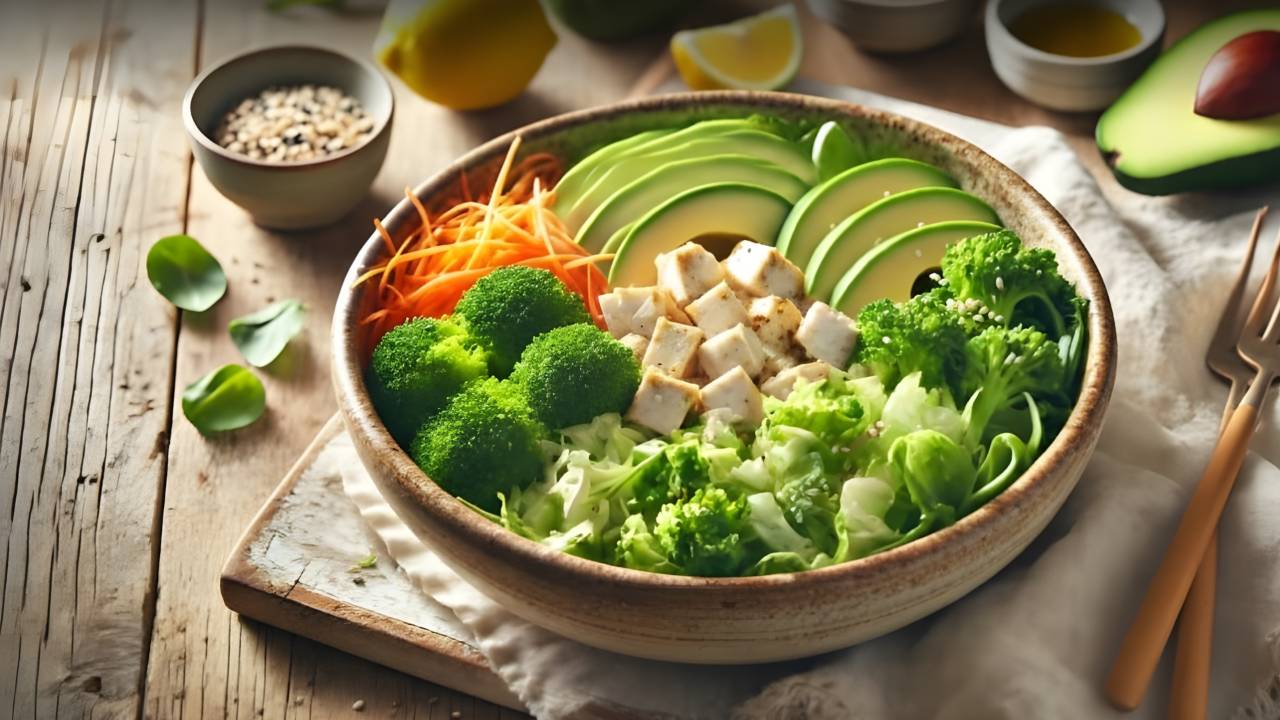
Postpartum Recovery Buddha Bowl
Protein-rich, fibre-packed — built for healing and energy.
⌄
Postpartum Recovery Buddha Bowl
Protein-rich, fibre-packed — built for healing and energy.
Base
- 2 cups mixed greens (spinach, arugula, romaine)
- 1 cup cooked brown rice or quinoa (optional, for extra energy)
Toppings
- 1 cup shredded rotisserie chicken or pan-seared tofu (protein)
- 1/2 cup steamed broccoli florets (vitamin C + fiber)
- 1/2 avocado, sliced (healthy fats for energy and milk production)
- 1/4 cup shredded carrots (hydrating, vitamin A-rich)
- 1/4 cup cucumber slices (hydrating and cooling)
Dressing
- 2 tbsp olive oil
- 1 tbsp lemon juice
- 1 tsp honey or maple syrup
- 1 tsp Dijon mustard
- Salt and pepper, to taste
Optional
- 1 tbsp sesame seeds or hemp hearts (omega-3s and texture)
- Fresh lemon juice, to taste
Method
- Arrange the mixed greens in a large bowl. Add the cooked brown rice or quinoa if using.
- Layer the chicken or tofu, broccoli, avocado, carrots, and cucumber on top.
- Whisk together olive oil, lemon juice, honey, Dijon, salt, and pepper. Drizzle over the bowl.
- Add optional toppings and an extra squeeze of lemon. Serve immediately.
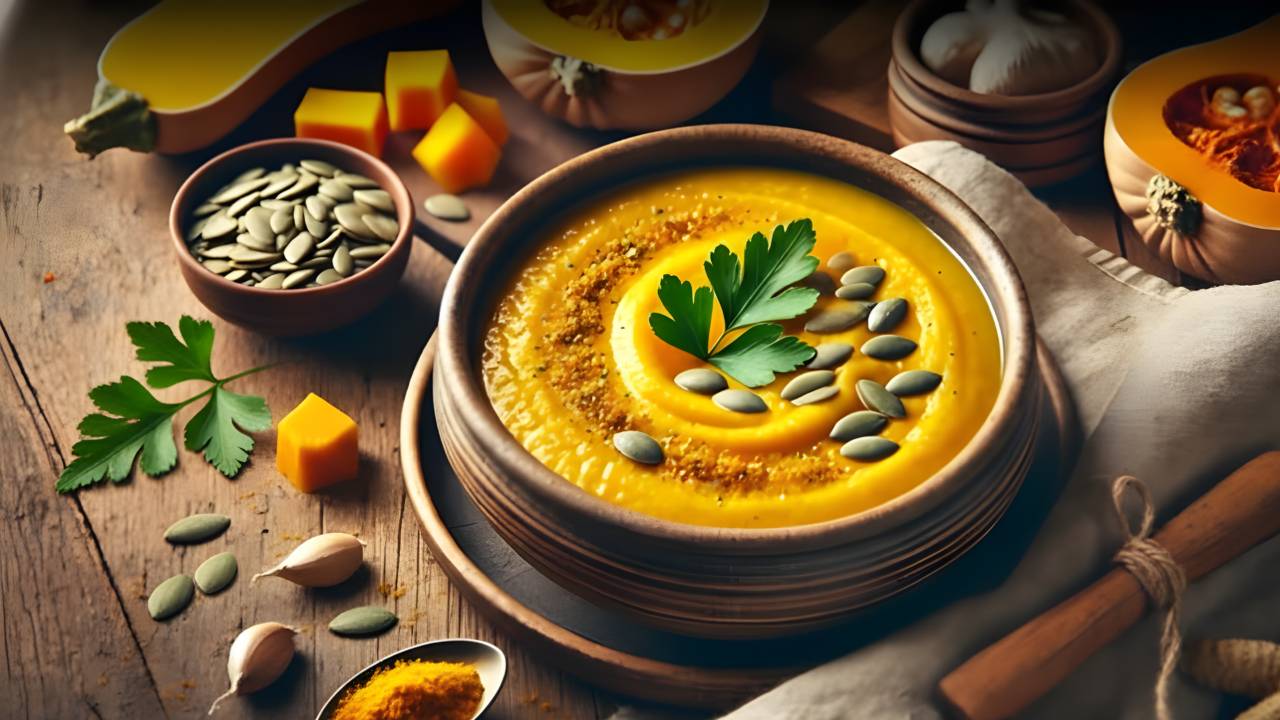
Golden Recovery Soup
Warming turmeric and bone broth — soothing for sore bodies.
⌄
Golden Recovery Soup
Warming turmeric and bone broth — soothing for sore bodies.
A gentle, nourishing soup to support healing, reduce inflammation, and restore energy in the first week postpartum. Warm, comforting, easy to digest.
Soup Base
- 1 tbsp olive oil or ghee (healthy fats for energy)
- 1 small onion, finely chopped (immune-supporting)
- 3 garlic cloves, minced (anti-inflammatory, aids digestion)
- 1-inch piece fresh ginger, grated (immunity + digestion)
- 1 medium carrot, diced (vitamin A)
- 1 celery stalk, diced (hydrating, antioxidants)
- 1 cup butternut squash, peeled and diced (fiber + vitamin C)
- 4 cups low-sodium chicken or vegetable broth
- 1/2 cup coconut milk (creaminess + healthy fats)
Spices
- 1/2 tsp turmeric (anti-inflammatory)
- 1/4 tsp cumin
- 1/4 tsp smoked paprika
- Salt and pepper, to taste
Optional Toppings
- 1 tbsp pumpkin seeds (zinc + texture)
- Fresh parsley or cilantro, chopped
- Fresh lemon juice (vitamin C boost)
Method
- Heat olive oil or ghee in a large pot over medium heat. Add onion, garlic, ginger. Sauté 3–5 minutes until fragrant.
- Stir in carrot, celery, butternut squash. Add turmeric, cumin, smoked paprika. Cook 2–3 minutes to coat veggies in the spices.
- Pour in the broth, bring to a gentle boil. Reduce heat, cover, and simmer ~20 minutes until vegetables are soft.
- Use an immersion blender (or transfer in batches) to blend until smooth. Stir in coconut milk.
- Adjust seasoning. Serve warm with optional toppings.
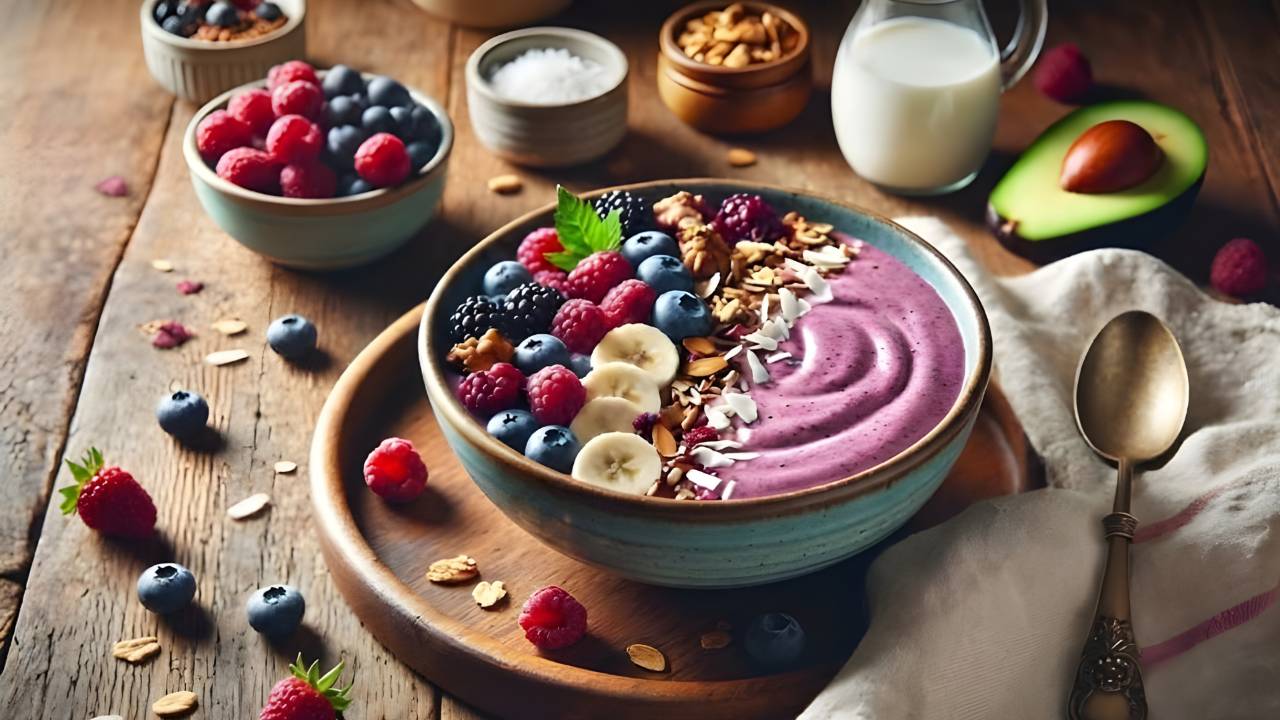
Berry Bliss Postpartum Smoothie Bowl
Antioxidant-rich, gentle on the gut — perfect for one-handed mornings.
⌄
Berry Bliss Postpartum Smoothie Bowl
Antioxidant-rich, gentle on the gut — perfect for one-handed mornings.
A creamy, colorful smoothie bowl packed with antioxidants, healthy fats, and superfoods to support healing and milk production.
Smoothie Base
- 1 frozen banana (potassium for electrolyte balance)
- 1/2 cup frozen mixed berries (antioxidants + vitamin C)
- 1/2 avocado (healthy fats for sustained energy + milk production)
- 1/2 cup plain Greek yogurt (protein + probiotics)
- 1/2 cup almond milk (hydrating, with calcium + vitamin D)
- 1 tsp flaxseeds or chia seeds (omega-3s + fiber)
Toppings
- 1/4 cup granola (complex carbs for energy)
- 1 tbsp unsweetened shredded coconut
- 1 tbsp sliced almonds or walnuts (protein, magnesium, brain support)
- 1/4 cup fresh berries (immune-boosting antioxidants)
- Honey, to taste (optional)
Method
- Blend the frozen banana, frozen berries, avocado, Greek yogurt, almond milk, and flax or chia until smooth and creamy. Add more almond milk if needed.
- Transfer to a bowl. Arrange granola, coconut, nuts, fresh berries, and a drizzle of honey on top.
- Serve immediately for best texture.
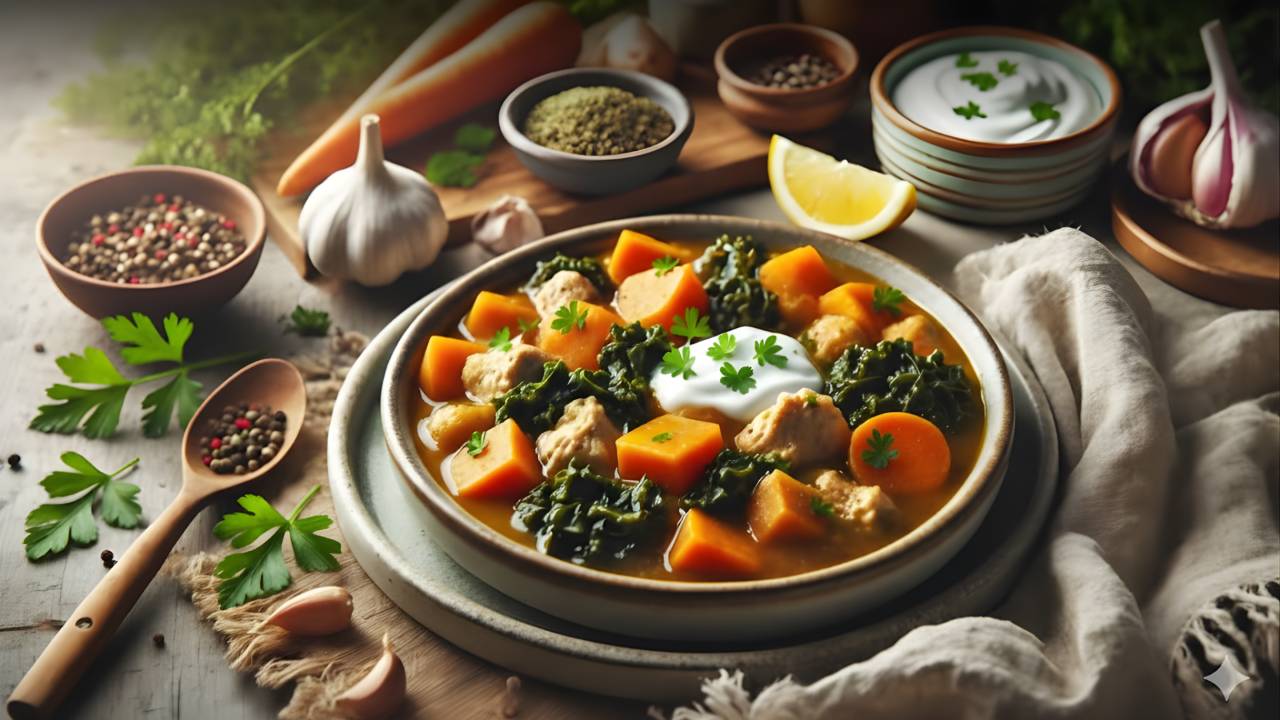
Hearty Postpartum Healing Stew
Slow-cooked nourishment — batch-prep and freeze for the early weeks.
⌄
Hearty Postpartum Healing Stew
Slow-cooked nourishment — batch-prep and freeze for the early weeks.
Packed with protein, iron, and anti-inflammatory ingredients to support recovery. Use chicken, beef, or beans depending on what you need.
Base
- 1 tbsp olive oil or avocado oil
- 1 small onion, diced
- 3 garlic cloves, minced
- 2 medium carrots, diced
- 2 celery stalks, diced
Stew
- 6 cups low-sodium chicken or beef broth
- 1 cup cooked shredded chicken OR 1 cup cooked beef chunks (or browned ground beef)
- Vegetarian option: 1 cup chickpeas or white beans
- 1 medium sweet potato, cubed
- 1 cup kale or spinach, chopped
- 1/4 cup fresh parsley
- Turmeric, cumin, smoked paprika, dried thyme
- Salt and pepper, to taste
Optional
- Lemon wedges
- Olive oil or plain Greek yogurt to finish
Method
- Sauté onion, garlic, carrots, and celery in oil for 5–7 minutes until softened.
- Stir in spices, cook 1–2 minutes until fragrant.
- Add broth and sweet potato. Simmer ~15 minutes until sweet potatoes are tender.
- Add chicken, beef, or beans plus greens. Simmer 5 more minutes.
- Adjust seasoning, garnish with parsley. Add lemon or yogurt if desired.
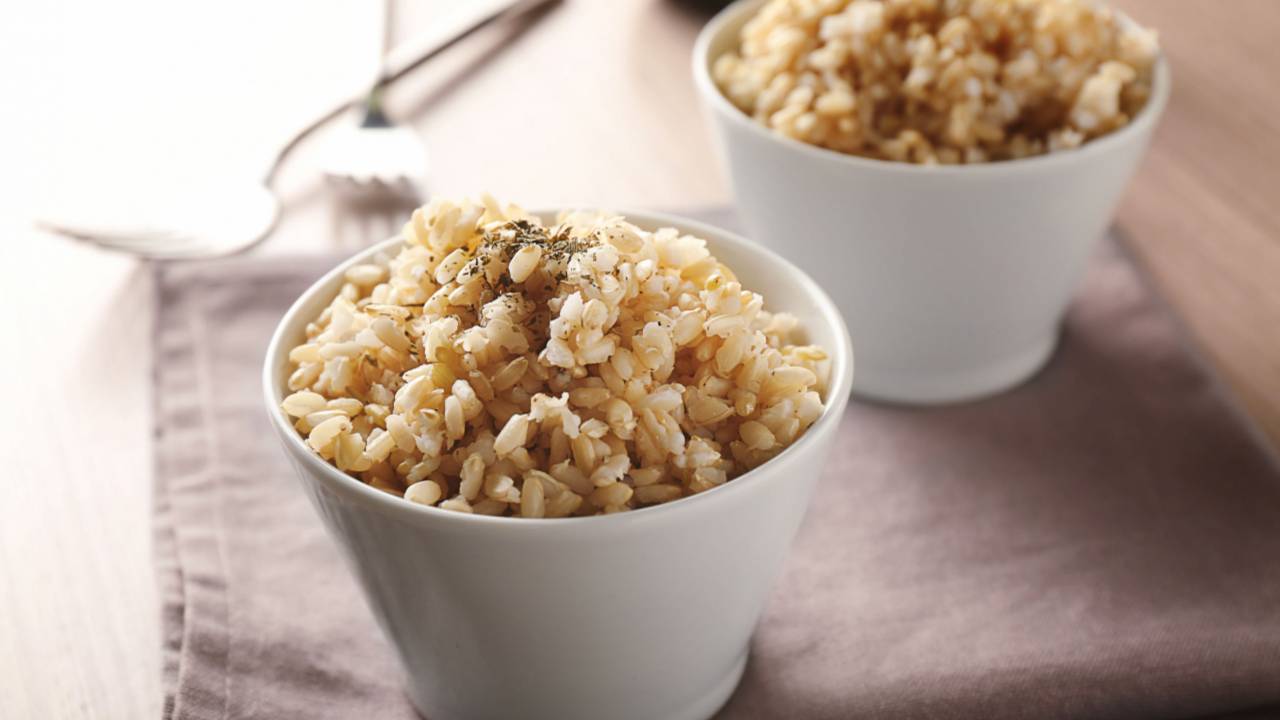
Hearty Postpartum Recovery Bowl
A complete, balanced meal — protein, grains, greens — built for new-mama needs.
⌄
Hearty Postpartum Recovery Bowl
A complete, balanced meal — protein, grains, greens — built for new-mama needs.
Base
- 1 cup cooked quinoa or brown rice (energy + fiber)
- 1 cup sautéed leafy greens (spinach, kale, or Swiss chard)
Protein
- 1/2 cup cooked shredded chicken, salmon, or chickpeas (recovery protein)
- 1/4 cup cooked lentils or black beans (iron + folate)
Toppings
- 1/4 avocado (healthy fats for brain health + milk production)
- 2 tbsp roasted pumpkin or sunflower seeds (zinc + magnesium)
- 1 tbsp flaxseeds or chia seeds (omega-3s + fiber)
- 1/4 cup diced cucumber or shredded carrots (hydration + crunch)
- 2 tbsp sauerkraut or kimchi (gut-healing probiotics)
Dressing
- 2 tbsp olive oil
- 1 tbsp lemon juice
- 1 tsp Dijon mustard
- 1 tsp honey or maple syrup
- Salt and pepper, to taste
Method
- Cook quinoa or brown rice per package directions. Sauté leafy greens with olive oil and garlic.
- Layer the shredded chicken, salmon, or chickpeas with lentils or black beans.
- Add avocado, seeds, veggies, and fermented toppings.
- Whisk olive oil, lemon juice, Dijon, honey, salt, and pepper. Drizzle generously.
- Best fresh. Will keep in the fridge up to 2 days.
Get the full Luna Bloom App for life.
REBUILD is just the start. Inside Luna Bloom you get the 12-phase postpartum program, the full pregnancy workout library, recipes, meditations, sleep guides, and every program we ever release — forever.
- 12-phase postpartum workout program
- Full pregnancy fitness library (all trimesters)
- Recipes, meditations, sleep guides
- Every new program we release — included
- One-time payment · Lifetime access
One-time payment · Watch on any device · Forever yours
You showed up. That matters.
Every minute you give yourself on this mat is a minute you give back to the people who love you. Take it slow. Breathe. Come back to this page whenever you need.
With love, Rebecca x